Industrial facilities that process combustible dust face unique safety challenges. Fine particles from chemicals, pharmaceuticals, food products, metals, wood, plastics, and agricultural materials can become highly explosive when dispersed in the air under the right conditions. While preventive maintenance reduces the likelihood of ignition, a dust explosion suppression system provides an additional layer of protection by detecting and suppressing an explosion before it develops into a catastrophic event.
For manufacturing facilities across Vadodara, Gujarat, investing in the right explosion protection equipment is an important step toward safeguarding personnel, production assets, and business continuity.
Understanding Dust Explosion Suppression Systems
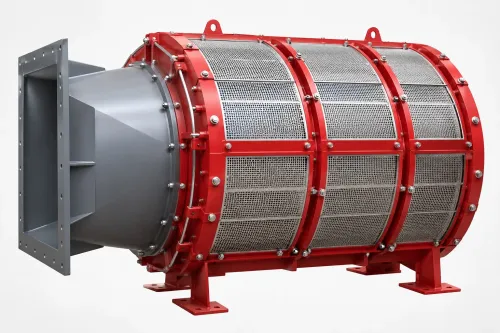
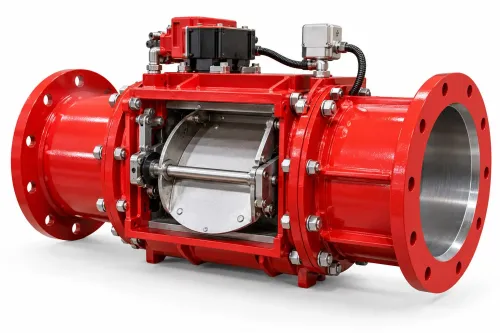
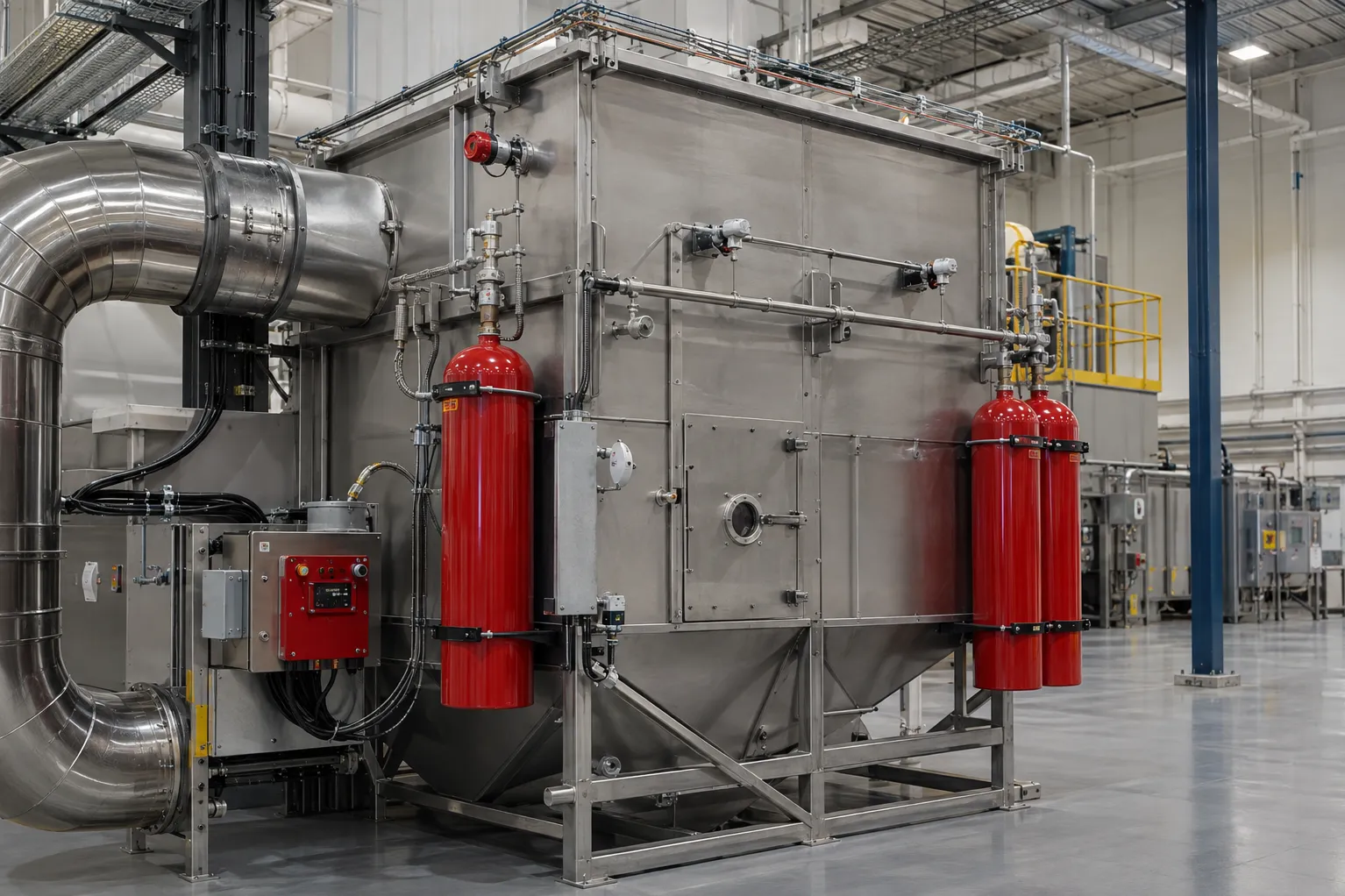
A dust explosion suppression system is an active safety solution that detects the early stages of an explosion and releases a suppression agent within milliseconds. The rapid response interrupts the combustion process before the explosion reaches destructive pressure levels.
Unlike passive explosion protection devices, suppression systems continuously monitor equipment and activate automatically whenever hazardous conditions are detected.
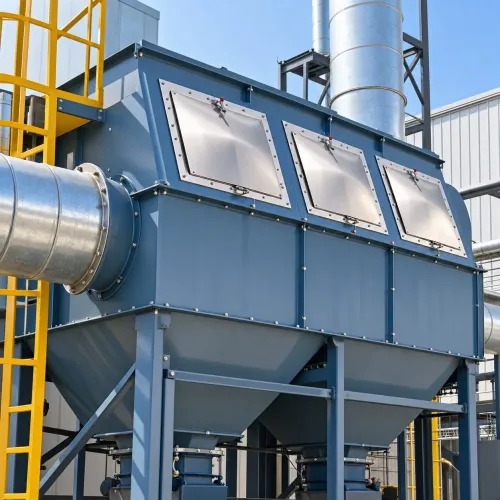
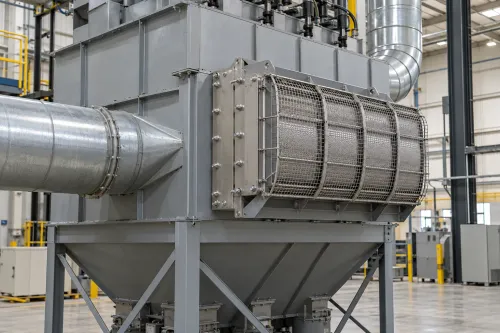
These systems are commonly installed on:
- Dust collectors
- Silos
- Cyclones
- Pulverizers
- Conveyors
- Bucket elevators
- Mixers
- Processing vessels
How the System Works
A suppression system combines several engineered components that work together during an emergency.
The sequence typically includes:
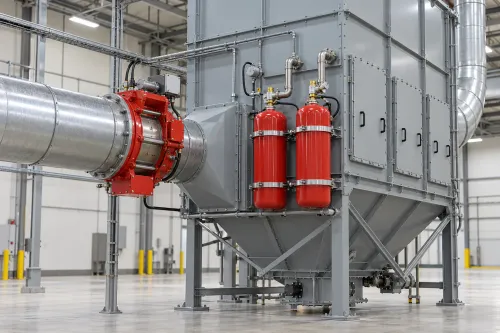
- Pressure or flame detectors identify the beginning of an explosion.
- The control unit immediately processes the signal.
- Suppressant containers discharge an extinguishing agent into the protected equipment.
- The combustion process is interrupted before pressure reaches dangerous levels.
- The event is recorded for inspection and analysis.
The entire process takes place within milliseconds, limiting damage and improving personnel safety.
Important Features to Evaluate
Selecting the right suppression system requires more than comparing product specifications.
Consider the following factors before making a purchase.
Detection Speed
Fast detection is essential because explosion pressure increases rapidly. High-speed sensors improve the effectiveness of the suppression system.
Suppressant Distribution
The extinguishing agent should be distributed evenly throughout the protected equipment to maximize suppression efficiency.
Control System Reliability
The control panel should provide:
- Continuous system monitoring
- Fault indication
- Event logging
- Alarm integration
- Easy maintenance diagnostics
Reliable monitoring improves long-term system performance.
Equipment Compatibility
Different industrial processes require customized suppression system designs based on:
- Equipment volume
- Process material
- Explosion severity
- Operating pressure
- Installation layout
A properly engineered solution delivers better protection than a generic design.
Industries That Benefit from Explosion Suppression
Dust explosion suppression systems are widely used in:
- Pharmaceutical manufacturing
- Chemical processing
- Food and beverage production
- Grain handling
- Metal powder manufacturing
- Wood processing
- Plastic production
- Battery manufacturing
Facilities that generate combustible dust should perform a detailed hazard assessment before selecting explosion protection equipment.
Questions to Ask Your Supplier
When evaluating manufacturers, procurement and engineering teams should discuss:
- Has the system been tested for industrial applications?
- Can it be customized for specific equipment?
- What maintenance is recommended?
- Is technical support available during installation?
- Can the system integrate with existing plant safety controls?
- What documentation is provided?
Selecting a knowledgeable manufacturer simplifies implementation and long-term maintenance.
The Importance of Regular Maintenance
Routine inspections help maintain system readiness.
Recommended maintenance activities include:
- Detector testing
- Suppressant cylinder inspection
- Control panel diagnostics
- Electrical connection verification
- Calibration checks
- Functional testing during scheduled shutdowns
Preventive maintenance ensures the system remains ready whenever protection is required.
Supporting Safer Manufacturing Facilities
Explosion suppression is an important part of a comprehensive industrial safety strategy. By combining rapid detection with automatic response, these systems help reduce equipment damage, protect employees, and minimize production interruptions.
Flammer Technologies Private Limited manufactures engineered dust explosion suppression system solutions from Vadodara, Gujarat, supporting industries that require dependable explosion protection. With a focus on precision engineering and application-specific solutions, the company helps industrial facilities strengthen their process safety programs while supporting reliable long-term operations.
Keywords