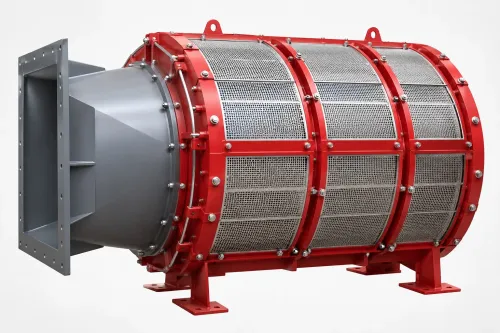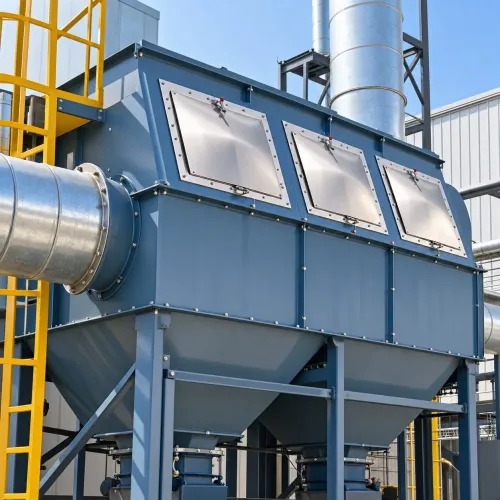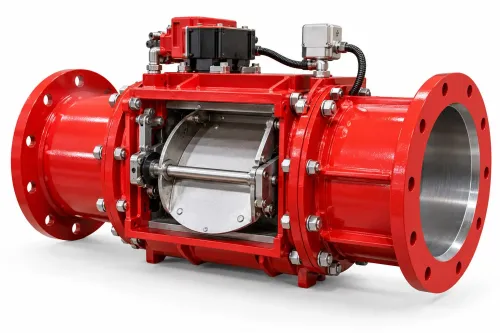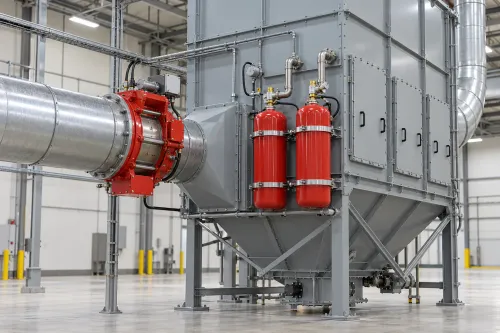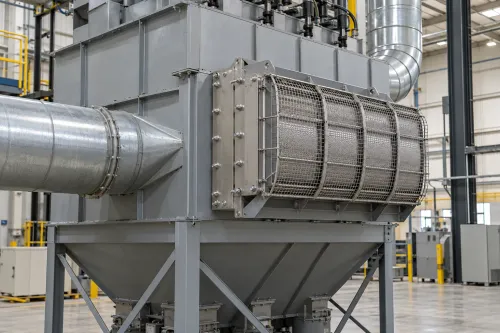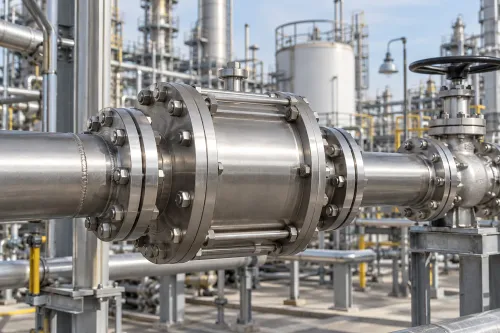
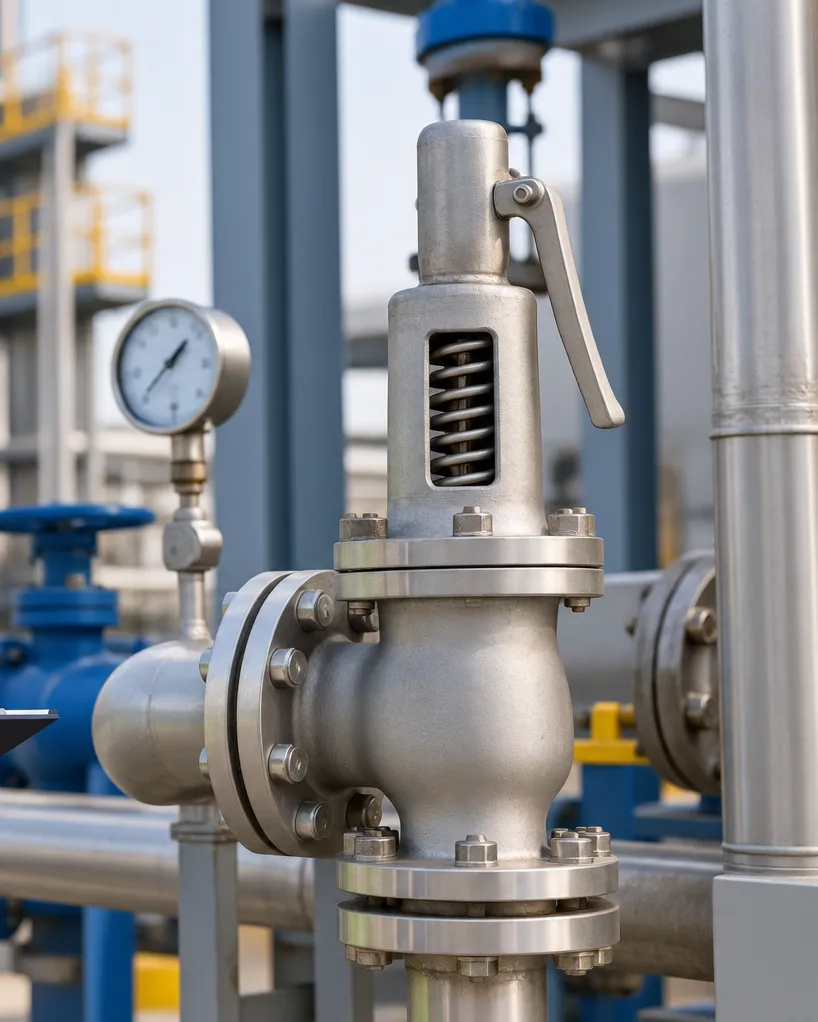
An industrial pressure safety valve protects pressurised equipment by opening when system pressure reaches a defined condition and closing after normal conditions are restored. Unlike a rupture disc, it is a reclosing device with moving components.
Correct selection requires engineering calculations and knowledge of the protected equipment. Ordering a valve by line size and pressure setting alone can result in inadequate capacity, instability, leakage or unsuitable materials.
Identify Every Credible Relief Case
The valve must be sized for the controlling overpressure scenario. Possible cases include blocked outlet, external fire, utility failure, thermal expansion, exchanger tube rupture and control-valve failure.
Each scenario can produce a different required relieving rate. The engineer should calculate the load, determine the required effective area and evaluate whether simultaneous events need consideration under the applicable design basis.
ASME describes pressure-relief devices as critical components protecting vessels, boilers, piping and tanks against excessive pressure. Its guidance also points to API RP 520 for the sizing, selection and installation of pressure-relief devices. These requirements show why valve selection must be calculation-led.
Choose the Correct Valve Type
Common configurations include conventional spring-loaded, balanced and pilot-operated valves. The appropriate choice depends on back pressure, process characteristics, set pressure, required capacity and maintenance philosophy.
A conventional valve may suit many services, but variable back pressure can influence its operation. Balanced designs can reduce certain back-pressure effects, while pilot-operated valves may support other operating requirements. The complete application should be reviewed rather than selecting by type preference.
Specify the Fluid Correctly
Gas, vapour, steam and liquid services behave differently during relief. The datasheet should identify fluid composition, molecular weight or density, viscosity, temperature and phase.
For corrosive, toxic, fouling or polymerising service, disclose the relevant hazards. Materials, trim design and installation details may need adjustment.
Examine Set Pressure and Operating Margin
The set pressure must coordinate with the protected equipment’s allowable limits and the process operating range. If normal pressure sits too close to set pressure, the valve may simmer or leak.
Purchasers should provide normal, maximum and design pressures along with expected transient conditions. Set pressure should never be changed merely to stop leakage without investigating the cause and obtaining authorised engineering approval.
Review Inlet and Outlet Piping
Excessive pressure loss in the inlet can cause unstable operation. Discharge piping can create back pressure and must route the relieved material to a safe system or location.
The engineering review should cover:
- Inlet line size and length
- Isolation-valve controls
- Outlet header pressure
- Drainage
- Reaction forces
- Supports
- Disposal destination
- Weather protection
A correctly sized valve can still perform poorly when connected to unsuitable piping.
Plan Inspection and Certification
Industrial pressure safety valves require periodic inspection, testing and maintenance according to the applicable code, service severity and plant procedure. Sealing surfaces, springs, bellows and internal components can deteriorate over time.
The buying package should define documentation, material requirements, set-pressure testing, tagging and traceability. Spare parts and authorised servicing should be considered when comparing suppliers.
Process facilities in Vadodara and across Gujarat often operate mixed inventories serving steam, gas, chemical and utility duties. Flammer Technologies Private Limited can support industrial pressure-protection enquiries, but each valve specification should be approved by competent plant personnel.
The safest purchase is based on a documented relief scenario, verified capacity and complete installation review. A pressure safety valve is not a general-purpose commodity; it is an engineered safeguard whose performance depends on the entire relief system.
Keywords