Pressure relief systems are designed to respond during abnormal operating conditions, but knowing exactly when a rupture disc has activated is equally important. This is where a burst detection sensor becomes a valuable addition to modern industrial safety systems. By providing immediate notification after a rupture disc opens, these sensors help operators respond quickly, minimize downtime, and investigate the cause of an overpressure event.
For process industries in Vadodara, Gujarat, where continuous production and plant safety are top priorities, burst detection sensors contribute to better operational awareness and faster decision-making.
What Is a Burst Detection Sensor?
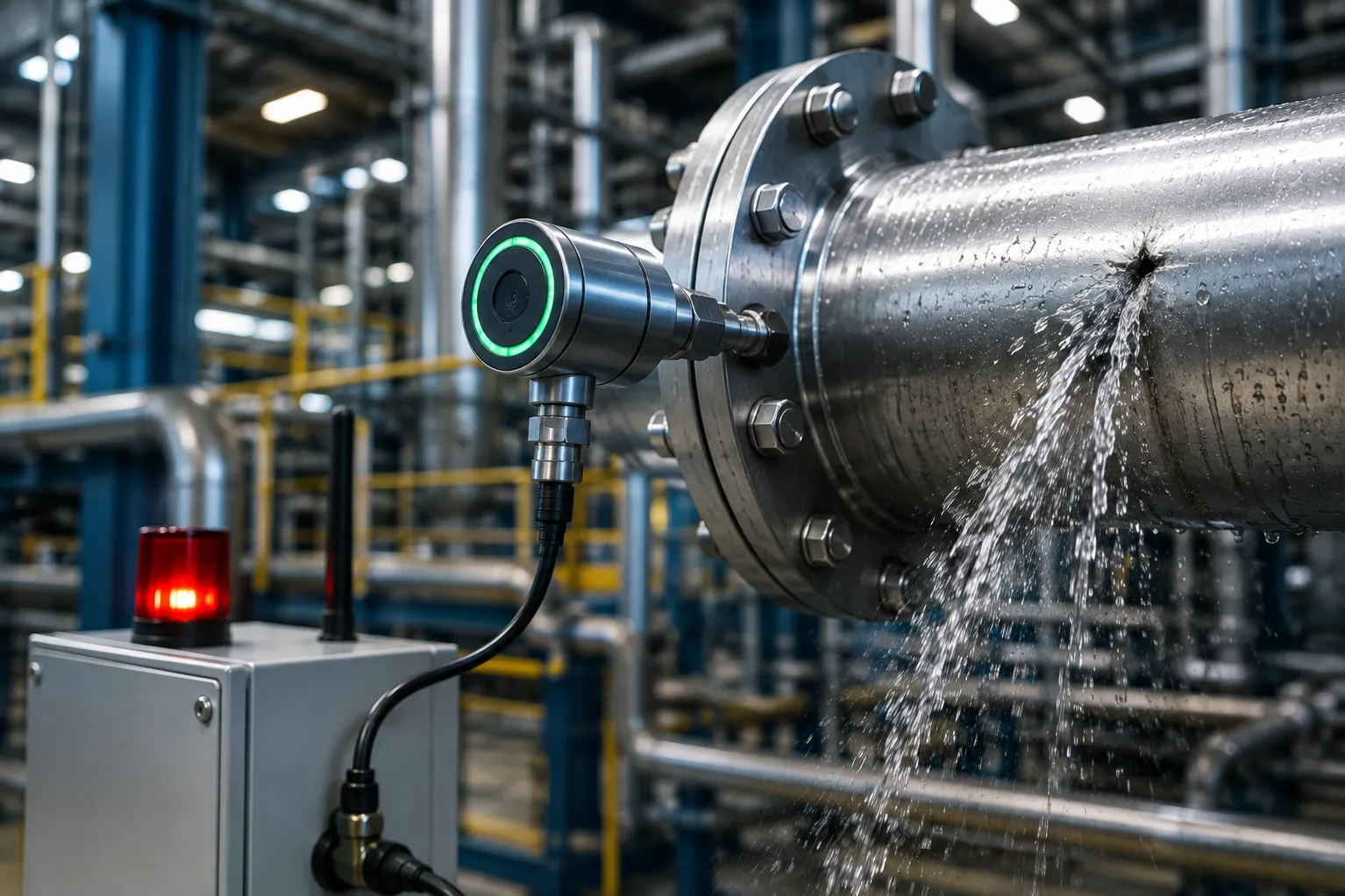
A burst detection sensor is an electronic monitoring device installed alongside a rupture disc assembly. When the rupture disc bursts due to excess pressure, the sensor detects the event and sends a signal to the plant's monitoring or control system.
This allows operators to identify pressure relief events immediately instead of discovering them during routine inspections.
Why Monitoring Is Important
A ruptured disc protects equipment from dangerous overpressure, but production should not continue without understanding why the event occurred.
Immediate detection allows maintenance teams to:
- Identify affected equipment
- Investigate the root cause
- Prevent repeated pressure events
- Schedule repairs efficiently
- Restore operations safely
Without monitoring, a burst disc may remain unnoticed, potentially affecting production quality or system reliability.
How Burst Detection Sensors Work
Most burst detection sensors operate by monitoring the electrical continuity of a sensing element integrated with the rupture disc assembly.
When the rupture disc opens:
- The sensing circuit changes.
- A signal is transmitted to the control system.
- Operators receive an alarm.
- Maintenance teams begin inspection.
- Corrective action is initiated.
The process occurs almost instantly, improving plant response times.
Benefits of Installing Burst Detection Sensors
Adding monitoring capability provides several operational advantages.
These include:
- Immediate event notification
- Reduced unplanned downtime
- Faster maintenance response
- Better incident documentation
- Improved process safety
- Enhanced equipment protection
- Increased operational visibility
These benefits become especially valuable in facilities operating around the clock.
Typical Industrial Applications
Burst detection sensors are commonly used with rupture disc systems installed in:
- Chemical reactors
- Pressure vessels
- Heat exchangers
- Pharmaceutical equipment
- Gas storage systems
- Compressors
- Pipelines
- Petrochemical plants
They are particularly useful in automated production environments where continuous monitoring is essential.
Selecting the Right Sensor
Choosing an appropriate burst detection sensor depends on several factors.
Engineers should evaluate:
- Operating temperature
- Pressure conditions
- Electrical compatibility
- Hazardous area requirements
- Sensor response time
- Process media
- Installation method
- Control system integration
Matching the sensor to the application improves reliability and reduces false alarms.
Maintenance Considerations
Although burst detection sensors require minimal maintenance, routine inspections help ensure dependable operation.
Recommended practices include:
- Verifying electrical connections
- Inspecting sensor cables
- Testing alarm functionality
- Reviewing control system integration
- Checking compatibility after equipment modifications
Preventive maintenance supports uninterrupted monitoring performance.
Supporting Smarter Process Safety
As industrial facilities continue adopting automation and digital monitoring, burst detection sensors provide valuable information that supports predictive maintenance and faster incident response. They help bridge the gap between mechanical pressure protection and intelligent plant monitoring.
Flammer Technologies Private Limited develops pressure relief solutions that integrate with burst detection sensor systems for demanding industrial applications. From its manufacturing operations in Vadodara, the company supports process industries seeking dependable monitoring solutions that enhance safety, improve maintenance planning, and strengthen overall pressure protection strategies.
Keywords