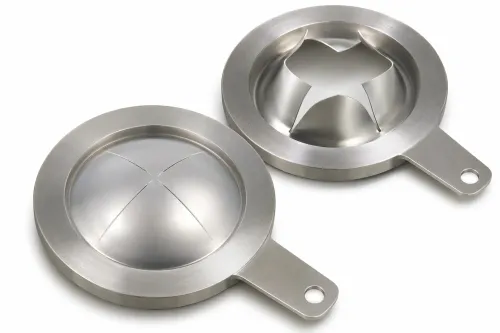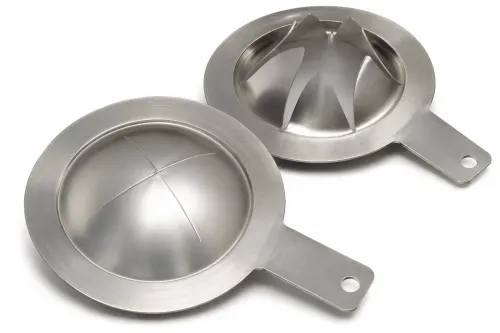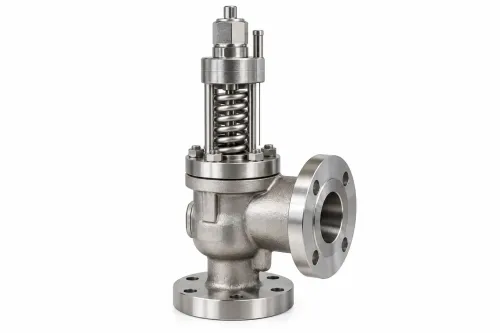
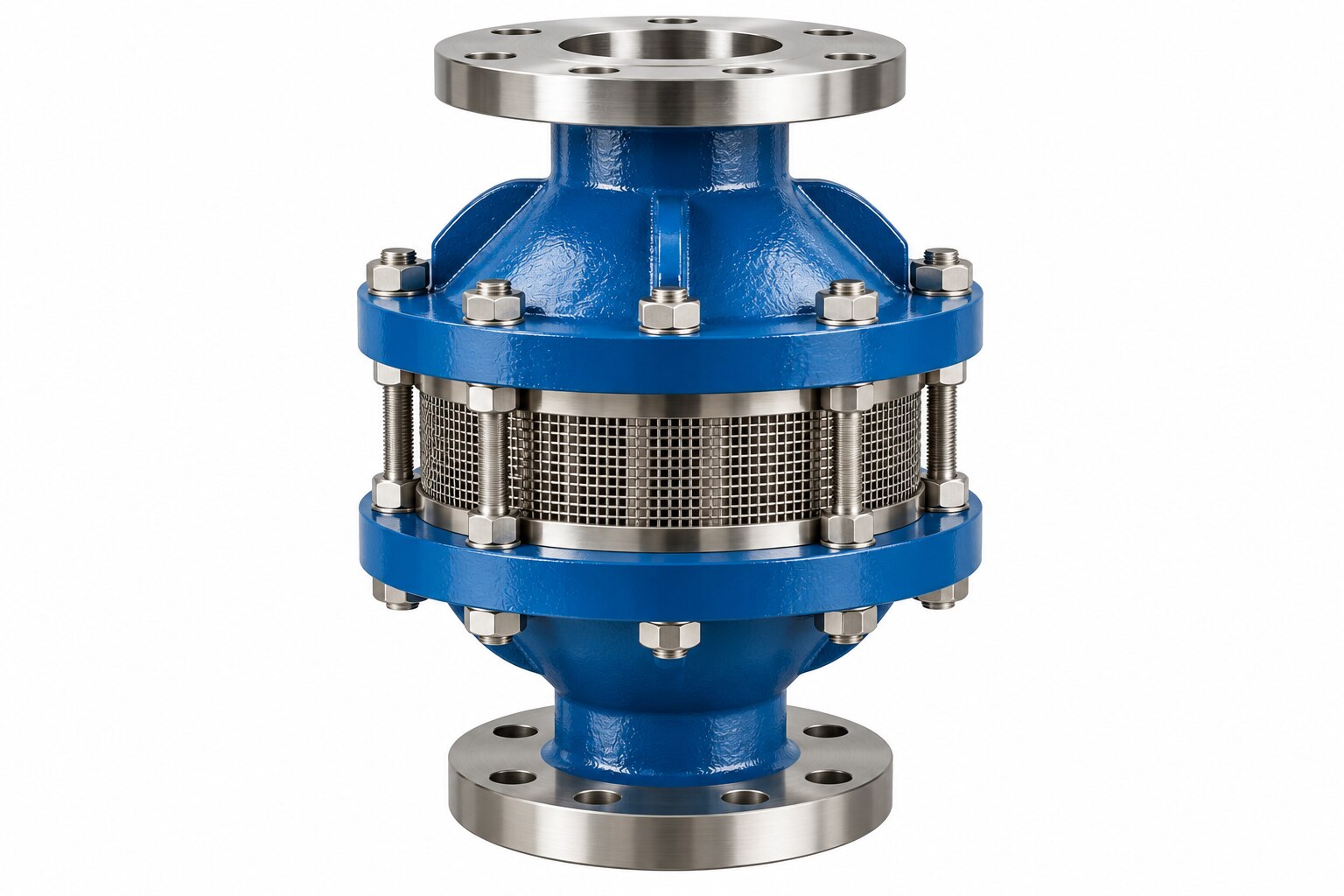
A flame arrestor can stop a flame front from travelling through a vent or process line, but it cannot relieve excess pressure or repair a pressure safety valve that has lifted, chattered, fouled, or failed to reseat. You will be able to separate flame-propagation protection from overpressure protection, recover safely after a valve lift, identify seasonal causes, and prepare a defensible inspection and restart decision.
Key takeaways
- Use a PSV for excess pressure and a flame arrestor for flame-front travel.
- After a PSV lifts, isolate hazards, preserve evidence, and investigate before resetting it.
- Check seasonal temperature, blocked outlets, control changes, and utility failures before changing valve settings.
- Record PSV tests, arrestor condition, process causes, and corrective actions with dates and identifiers.
A flame arrestor protects against flame travel, not excess pressure
No. A flame arrestor cannot protect or restore a pressure safety valve after seasonal overpressure in Vadodara. The correct arrangement uses two independent safeguards: a correctly sized PSV for pressure relief and a suitably selected arrestor where a credible flammable-vapour flame-front hazard exists. That is flame arrestor valve protection, not pressure protection.
A flame arrestor has no defined set pressure or relieving capacity. It cannot compensate for an undersized, stuck, incorrectly set or fouled PSV. Adding one to a PSV inlet or outlet changes pressure drop, backpressure and available flow, so its certified pressure-drop data must enter the relief calculation.
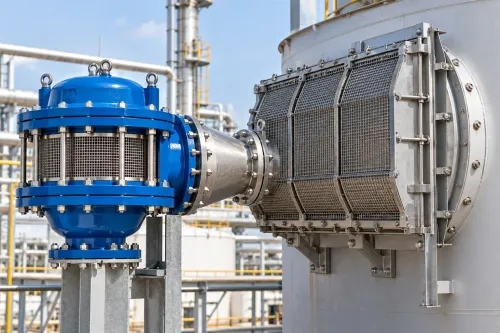
End-of-line arrestors protect a vent termination; in-line arrestors protect a flame path between connected equipment. Select each for the actual gas or vapour, temperature, pressure, pipe geometry and certified installation limits. Deflagration arrestors are not automatically suitable for detonation service.
| Device | Hazard | Response mechanism |
|---|---|---|
| PSV | Vessel or line overpressure | Opens at set pressure and discharges calculated flow |
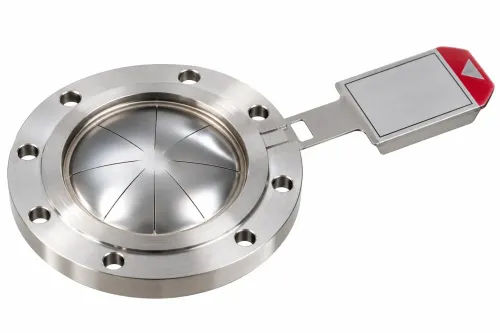
| Rupture disc | Defined overpressure | Bursts at specified pressure and temperature; does not reseat |
| Pressure-vacuum relief valve | Tank breathing pressure or vacuum | Opens for pressure or vacuum deviation |
| Thermal relief valve | Blocked-in liquid expansion | Relieves small liquid thermal expansion |
| Explosion-isolation device | Flame or pressure propagation | Interrupts transfer between connected equipment |
A flame arrestor is the wrong remedy for blocked-in liquid thermal expansion, blocked discharge, runaway reaction, fire exposure or gas generation without a flame-transmission scenario. Changing PSV settings or adding an arrestor without revising the relief calculation is not recovery.
What to do immediately after a pressure safety valve lifts
Pressure safety valve overpressure recovery starts with stabilising the process, not resetting the alarm or changing the valve set pressure. Use this sequence:
1. Acknowledge alarms without defeating trips or bypassing interlocks. Identify the protected vessel, equipment or line from the valve tag and DCS alarm.
2. Verify pressure and temperature at the local gauges and transmitters, then compare both readings with the DCS historian. Isolate the affected equipment only under the approved operating procedure.
3. Stop the initiating feed, pump, compressor, steam supply or heating medium. Depressurise through the designated safe route only when the pressure, contents and discharge destination make that action safe.
4. Prevent re-pressurisation by isolating pumps, compressors, steam, heating medium and blocked-in liquid sections. Apply the plant permit, lockout and tagout controls before intervention.
5. Record the lift time, pressure, temperature, valve tag, alarm history, process state, operator actions and discharge observations. Note audible discharge, a lift indicator, downstream temperature or deposits, and any continuing pressure decay.
6. Treat one confirmed lift differently from repeated lifts near set pressure or failure to reseat. Historian traces and repeated alarm cycles support repeated lifting; seat leakage, continuing pressure decay or audible discharge after recovery indicate failure to reseat.
The valve reseats below set pressure because of blowdown, and the actual reseating pressure depends on valve design and adjustment. Pressure below set pressure does not prove valve health.
Do not restart until an authorised responsible engineer or operations authority confirms the initiating cause, stable pressure, valve condition, discharge-path integrity and required test or replacement. Seasonal process pressure problems require that approval, not an assumption that the event has cleared.
Find the seasonal process cause before changing the valve
Do not record only “seasonal overpressure.” Map the actual relieving case: a blocked or degraded condenser, warmer or reduced cooling-water flow, ambient or solar heating, altered vapour pressure, higher viscosity, utility interruption, control-valve failure, feed-composition change, or thermal expansion in a blocked-in liquid line. Each cause produces a different pressure-safety response.
For a Vadodara hot-weather and monsoon-transition review:
- Compare DCS and historian trends before, during and after the event for vessel pressure and temperature, cooling-water supply and return temperature, flow, control-valve position, pump status, utility pressure, alarms and trips.
- Check whether the excursion followed a cooling-water change, power interruption, rainfall-related utility disturbance, solar exposure or process-recipe change.
- Separate the pressure at which the PSV lifted from the process pressure shown by transmitters. Verify transmitter calibration and the PSV lift evidence before blaming the valve.
Pressure safety valve overpressure recovery is incomplete until the process cause and valve behaviour are separated:
| Observation | Likely direction | Check next |
|---|---|---|
| Repeated lifts at normal set pressure | Process control or relief-capacity problem | Recalculate the relieving case and review control performance |
| Leakage after pressure recovery | Seat fouling, damage or wear | Inspect and test the valve |
| Pressure rises despite an open valve | Flow-path or capacity restriction | Investigate inlet restriction, discharge backpressure, blocked routing and inadequate relieving capacity |
Build a defensible PSV and flame-arrestor inspection record in Vadodara
A defensible industrial valve inspection in Vadodara starts with evidence, not a generic “fit for service” statement. Record the PSV identity, condition, pressure path and test basis before deciding whether seasonal overpressure caused a valve fault.
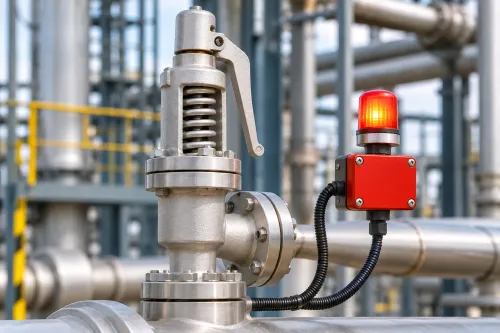
1. Photograph and read the PSV nameplate. Verify tag, manufacturer, model, set pressure, relieving capacity, service, materials and flow direction; compare the set-pressure certificate with the approved valve datasheet and relieving-case calculation.
2. Inspect the lift indicator, inlet and outlet isolation arrangements, inlet-line pressure loss, discharge piping, supports, drains, vent routing, corrosion, deposits and restrictions. Look for seat leakage, spring corrosion or distortion, blocked vents, fouling, damaged gaskets, and marks of chattering or simmering.
3. Examine the flame-arrestor element for polymer, corrosion products, dust, condensate and process solids. Obtain its certified operating limits and pressure-drop data because fouling or added flame arrestor valve protection can restrict flow and alter backpressure.
4. Attach maintenance history, prior lift reports, inspection findings, the applicable vessel, piping or process design code named in project documents, and any required calibration or test certificate.
| Inspection type | Evidence produced | Restart significance |
|---|---|---|
| Visual examination | Condition, identity and installation records | Does not prove set-pressure accuracy or reseating |
| Functional test | Operating response and lift indication | Confirms specified operation when required |
| Bench test | Certified set pressure and performance | Supports return to service after removal |
Flammer Technologies Private Limited can help with local safety-equipment planning, but the plant must select a competent examiner and authorise restart. Use a calibration or test certificate whenever the examination requires one.
Related product
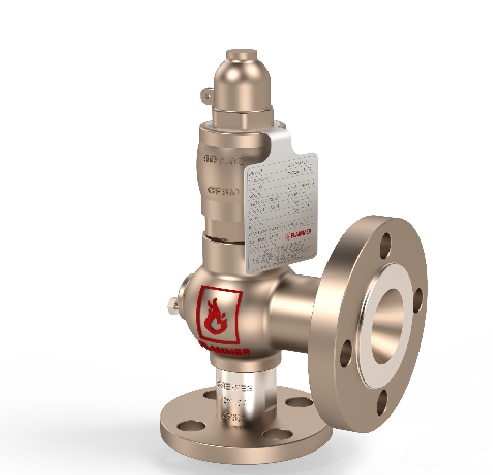 | Pressure Safety Valves Flammer Technologies provides good-quality Pressure Safety Valve solutions that protect industrial equipment, pipelines, pressure vessels and process... View product → |
Choose the safeguard by hazard, location and failure mode
Choose the safeguard that matches the initiating hazard, not the component that happened to lift. A search for a flame arrestor pressure safety valve for seasonal overpressure in Vadodara should end with two independent safeguards where both hazards exist: a PSV for pressure relief and a flame arrestor for flame-front protection.
| Device | Response and location | Corrective-action trigger and failure concern |
|---|---|---|
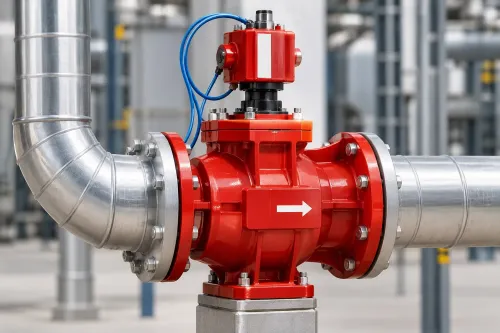
| Pressure safety valve | Opens at set pressure and discharges calculated mass flow | Vessel or line overpressure; check setting, spring degradation, seat leakage, chatter, fouling, inlet restriction and backpressure |
| Rupture disc | Bursts at specified pressure and temperature without reseating | One-time pressure protection; replace after rupture and assess fragments and discharge consequences |
| Pressure-vacuum relief valve | Controls tank breathing pressure and vacuum | Atmospheric storage tanks; not a substitute for vessel relief during vapour generation |
| Thermal relief valve | Relieves small trapped-liquid expansion | Blocked-in liquid sections; not a vessel-wide vapour-generation case |
| Flame arrestor | Quenches flame in a defined gas or vapour path | Credible flame transmission; inspect fouling, pressure drop, flame regime, certified geometry and temperature limits |
| Explosion-isolation device | Interrupts flame or pressure propagation between connected equipment | Connected explosion hazards; not ordinary process overpressure |
Document the hazard, response mechanism, installation location, pressure and temperature envelope, maintenance burden, discharge destination and consequence of failure. A flame arrestor has no set pressure or relieving capacity; its inlet or outlet pressure drop and backpressure must enter the relief calculation. That is flame arrestor valve protection, not PSV recovery.
Changing the PSV set pressure or adding an arrestor without revising the relief calculation is not recovery. Address the documented initiating scenario and obtain restart approval.
Frequently asked questions
Can a flame arrestor protect a pressure safety valve from seasonal overpressure?
No. A flame arrestor stops or limits flame travel in a compatible flammable-vapour system; it does not relieve excess pressure or restore a lifted PSV. Use an correctly sized PSV for pressure protection.
What should you do immediately after a pressure safety valve lifts?
Control the process safely, confirm whether pressure remains hazardous, isolate the equipment when authorised, preserve the valve and instrument evidence, and investigate before resetting or replacing the PSV.
How can you find the seasonal cause of a PSV lift?
Compare the event with seasonal temperature, utility pressure, control-valve position, blocked or restricted outlets, thermal expansion, startup conditions, and changes in feed, production rate, or operating procedure.
What belongs in a PSV and flame-arrestor inspection record?
Record equipment identification, tag numbers, set pressure, test results, dates, calibration references, arrestor model and installation direction, element condition, cleaning, process conditions, findings, and corrective actions.
How do you choose between a PSV and a flame arrestor?
Choose the safeguard from the failure mode and installation hazard: a PSV addresses overpressure, while a flame arrestor addresses credible flame propagation through a compatible vapour path. Check location, materials, operating conditions, and maintenance access.
Keywords